The first years of education shape how children feel about learning, relationships and unfamiliar environments. Parents comparing an early years international school in Bangkhae should therefore look beyond attractive classrooms and consider how the setting supports language, confidence, independence and emotional security. The strongest early years provision combines purposeful play with skilled teaching, clear routines and close communication with families.
Learning Should Be Active and Purposeful
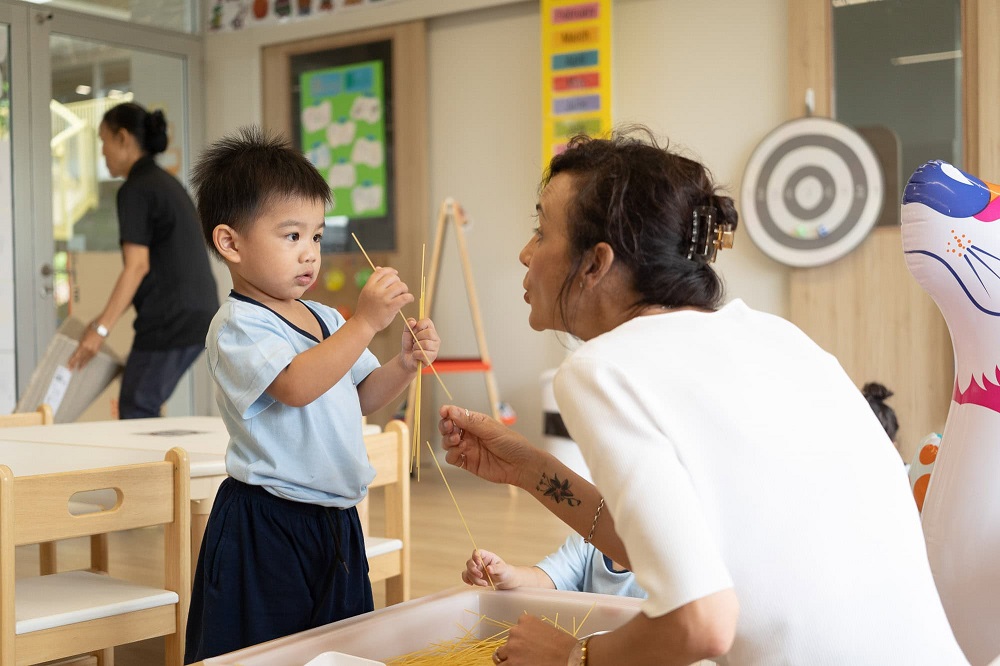
Young children learn best when they can explore ideas through play, movement, conversation and practical experience. A good early years classroom should feel lively, but the activities should still have a clear purpose.
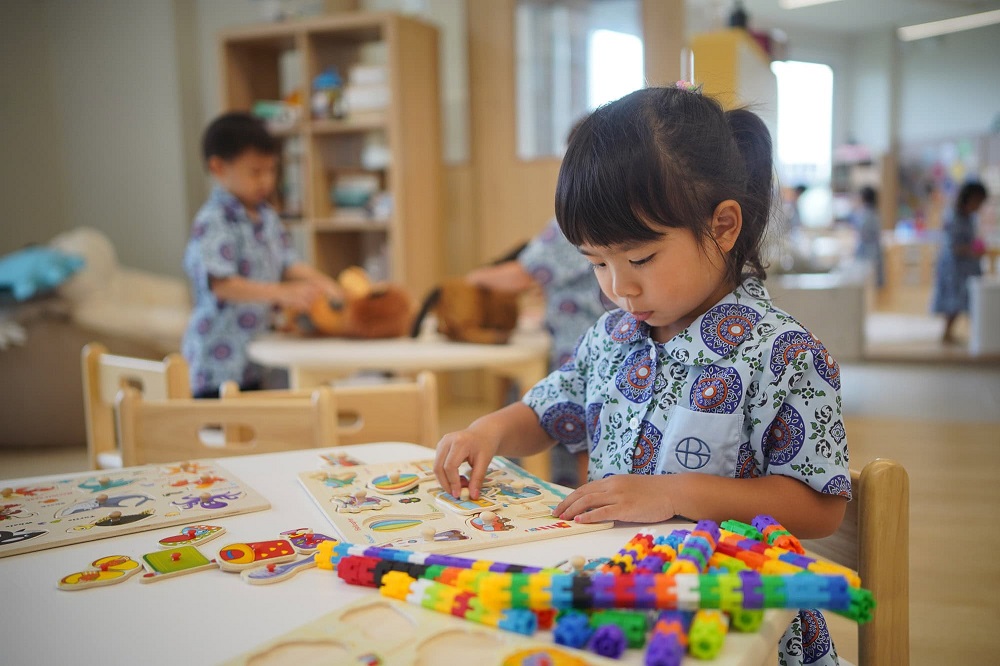
Building blocks can introduce early mathematical thinking, while water play may help children explore measurement, texture and cause and effect. Role-play areas encourage communication and cooperation. Drawing, cutting and model-making help develop the fine motor control needed for later writing.
Teachers should observe how each child approaches these activities and use what they see to plan appropriate next steps. This means giving support when a child is struggling, while introducing greater challenge when they are ready.
Parents should be cautious of settings that rely heavily on worksheets or expect very young children to sit still for long periods. Formal exercises may produce visible work to take home, but they do not always reflect deep understanding. A balanced programme builds early literacy and numeracy through activities that remain suitable for the child’s age and stage of development.
Language Support Should Be Part of Daily Life
International schools often welcome children from households where more than one language is spoken. Some pupils may understand English well but feel hesitant about speaking it. Others may be encountering the language regularly for the first time.
Effective language support should be woven into the school day rather than treated as a separate issue. Teachers can use stories, songs, visual prompts, repeated phrases and practical demonstrations to make meaning clear. Children also benefit from hearing language used naturally during play, meals and group activities.
A quiet child should not automatically be viewed as lacking understanding. Some children spend time listening and observing before they begin speaking confidently in a new language. Staff should recognise this stage and encourage participation without creating pressure.
Families can support progress by continuing to speak their strongest language at home. A secure foundation in the home language can help children express complex ideas, communicate with relatives and develop confidence in their identity.
Emotional Security Comes Before Independence
Starting school can be a major adjustment, particularly for children who have not previously spent much time away from their parents. A supportive setting should have a clear approach to settling in, including how staff respond to separation anxiety and how parents are kept informed.
Consistency is important. Predictable routines help children understand what will happen next and gradually become more independent. Simple tasks such as putting away a bag, choosing an activity, washing hands and preparing for lunch can build confidence when introduced patiently.
Relationships with staff matter just as much as the daily timetable. Children need to know which adults they can approach when they feel tired, upset or uncertain. Warm interaction should be visible throughout the classroom, not reserved for formal teaching time.
Parents visiting a school should notice how staff speak to children. Respectful language, calm guidance and genuine interest in what pupils are doing are strong signs of a positive environment.
The Environment Should Encourage Exploration
Early years spaces should be safe, well organised and easy for children to navigate. Resources placed at an accessible height allow pupils to make choices and take responsibility for returning items when they have finished.
Outdoor learning is equally valuable. Running, climbing and balancing support physical development, while gardening, sand play and observing nature create opportunities for investigation. Outdoor spaces do not need to be elaborate, but they should be used regularly rather than treated as an occasional reward.
Parents should also ask how the school manages safety, hygiene and supervision. Clear procedures are especially important during meals, outdoor activities, collection times and transitions between different areas of the school.
Communication Helps Families Stay Involved
Parents need meaningful information about their child’s experience. Regular updates should go beyond listing completed activities and explain how the child is developing socially, emotionally and academically.
Formal progress discussions are useful, but everyday communication matters too. Families should know whom to contact, how concerns are handled and whether teachers are available for brief conversations when needed.
The best early years setting is one where children feel known, secure and curious. When play, language, relationships and family communication work together, young learners gain the confidence they need for the next stage of school.